Skip to content

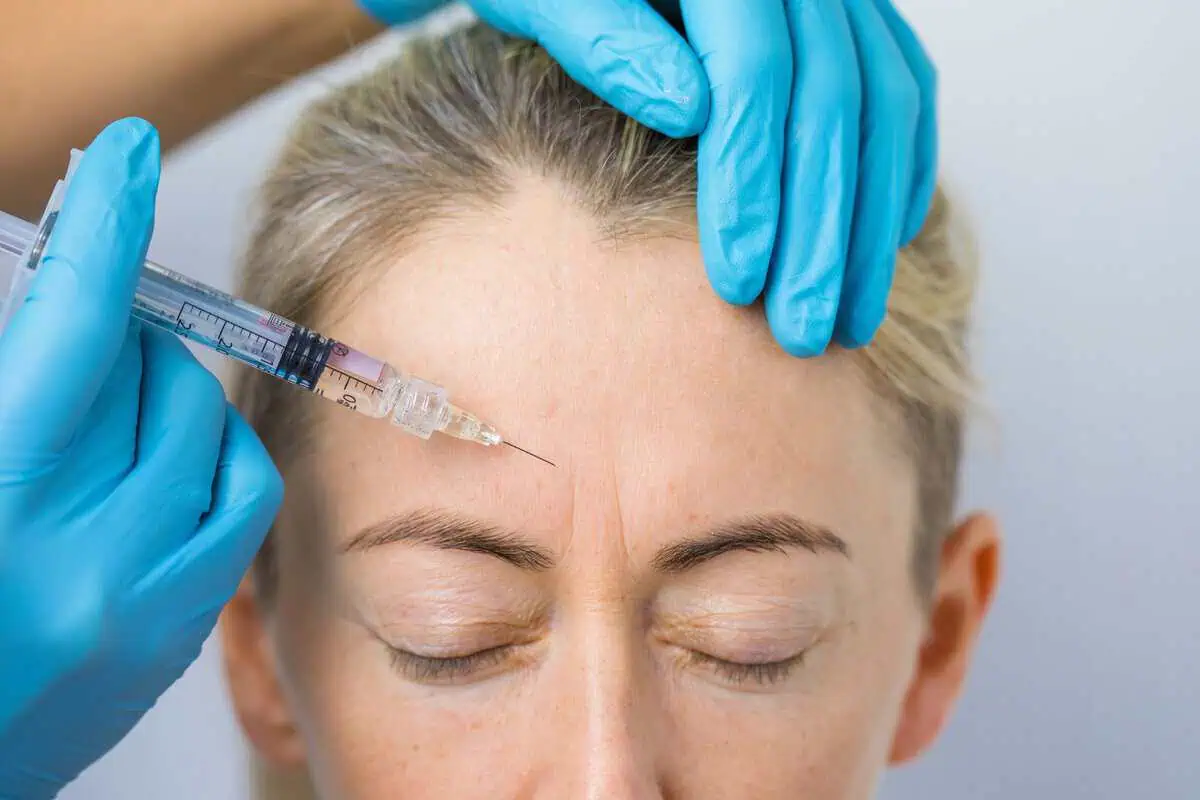
Table of Contents
Choosing an injectable is easier when the decision begins with the concern you want to address, not the name of the product. A tense frown line, a softening jawline, a hollow cheek, and a thinner-looking lip are different issues. Each calls for a different tool and level of correction. A thoughtful plan should respect facial movement and natural proportions.
Look at Movement, Volume, and Skin Quality Separately
Most cosmetic injectables fall into two broad categories. Neurotoxins, often called wrinkle relaxers, work on muscle movement. They are commonly used for lines created by repeated expressions, such as frown lines, forehead creases, and crow’s feet. Dermal fillers work in another way. They add or restore structure under the skin and may be used for facial folds, lips, cheeks, chin, or certain contour concerns.
This difference matters because some wrinkles come from repeated motion, while others come from volume loss, skin laxity, sun exposure, or changes in facial fat and bone support. A good consultation separates these factors before any product is selected.
Botox vs Fillers: Know the Basic Difference
The simplest way to understand Botox vs. fillers is to think in terms of motion and support. Botox is a neuromodulator. It temporarily relaxes targeted muscles so expression-related creases look softer. Fillers do not relax muscles. They sit beneath the skin to replace lost volume, refine contours, or smooth certain folds.
This distinction helps prevent mismatched treatment. A deep fold around the mouth may need volume support, while a crease between the brows may respond better to a neurotoxin. Some plans use both approaches at different stages. The choice should come from facial assessment, not from a trend.
Botox: A Familiar Option for Expression Lines
Botox is the name many people use for nearly all neurotoxin treatments, but it is also a specific brand. In aesthetic care, Botox Cosmetic is commonly associated with treating moderate to severe expression lines in areas such as the glabella, forehead, and crow’s feet. Its role is precise: it reduces selected muscle activity so the skin above those muscles can look smoother without removing all expression.
A Botox plan should consider brow position, eyelid heaviness, facial asymmetry, and the strength of the muscles being treated. Too little product may not make a noticeable difference. Too much, or product placed in the wrong pattern, can leave the face feeling heavy. Mapping and dosing matter.
Dysport: Another Neurotoxin with Its Own Dosing
Dysport is also a botulinum toxin type A product used for dynamic wrinkles. It is not simply a cheaper or stronger version of Botox. Its dosing system is different, and its units cannot be converted one-to-one with Botox or Xeomin. For patients, the useful point is that the injector should choose it for a clear reason.
Some injectors may prefer Dysport for certain treatment patterns, especially when they want a smooth effect across a broader muscle area. That does not make it the right choice for every face. The fit depends on muscle strength, treatment area, prior response, and technique.
Xeomin: A Streamlined Neurotoxin Option
Xeomin is another neurotoxin option used to soften expression-related lines. Its active ingredient is incobotulinumtoxinA. Like Botox and Dysport, it works by reducing targeted muscle activity, but it has its own formulation and dosing rules.
Xeomin may be discussed with patients who want a straightforward neurotoxin option or who have had previous experiences with other products. It should not be chosen only because it sounds newer or simpler. The useful question is how your muscles move and how the effect can stay balanced. Botox, Dysport, and Xeomin can all be useful when matched to the right patient.
When Dermal Fillers Make More Sense
There are times when relaxing a muscle will not address the concern. Dermal fillers may be a better fit when the issue involves volume, contour, or support. Common treatment areas can include the cheeks, lips, chin, smile lines, and the back of the hands, depending on the product and its approved use.
Filler selection is highly specific. A soft filler used for fine lip detail is different from a firmer filler selected for cheek or chin support. Placement depth, amount, and injection technique shape the final result. A conservative plan usually works with facial structure rather than adding volume where it does not belong.
Think of Facial Rejuvenation as Planning, Not Product Shopping
A balanced approach to facial rejuvenation often includes more than one decision. Your provider may discuss skin care, sunscreen, resurfacing treatments, collagen-stimulating procedures, neurotoxins, fillers, or timing between appointments. This does not mean you need everything. Your plan should have priorities.
Bring clear examples of what bothers you, but avoid trying to copy another person’s treatment map. Facial proportions, tissue thickness, muscle pull, and skin quality vary. A careful plan may start small, then reassess once the product has settled.
Safety, Recovery, and Realistic Timing
Injectables are medical procedures, even when the appointment is brief. Possible filler side effects include bruising, swelling, redness, tenderness, itching, nodules, infection, and rare vascular complications. Neurotoxins can cause temporary bruising, headache, eyelid heaviness, asymmetry, or nearby weakness.
Ask about what to avoid before and after treatment, when results are expected, and when to call the office. Neurotoxin effects often appear gradually and commonly last around three to four months. Filler longevity varies by product, treatment area, and individual factors.
Walnut Creek Aesthetics: Injectable Treatments in Walnut Creek
Patients researching injectable treatments in Walnut Creek may want a local setting where neurotoxin treatments are approached with facial anatomy, dosing, and expression in mind. At Walnut Creek Aesthetics, the injectable team has extensive training and specializes in Dysport, Botox, and Xeomin injections.
These products use Botulinum Toxin A as the active ingredient. Botulinum Toxin A temporarily blocks neurotransmitters and nerve signals that trigger facial muscle movement. As the targeted muscles relax, fine lines, wrinkles, and skin creases caused by repeated expression can look smoother.
This type of treatment is often considered for dynamic wrinkles, including frown lines, forehead lines, and crow’s feet. The discussion should include the product being used, the areas being treated, expected onset, likely maintenance timing, and aftercare. The aim is a measured smoothing effect that still respects normal facial movement.